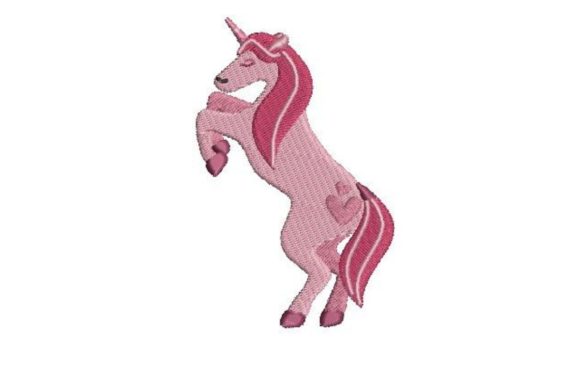
Unicorn Rearing: A Seasonal Embroidery Review
When I first opened the Unicorn Rearing machine embroidery design, I immediately recognized its potential for seasonal and holiday product lines. As someone who has built multiple collections for Etsy shops and craft fairs, I look for designs that balance charm with versatility. This embroidery file delivers exactly that. The rearing pose gives the unicorn a lively, almost celebratory energy, which makes it ideal for everything from Christmas morning pajamas to Easter basket gifts. The Fairy Tales category fits perfectly, but don’t let that limit your imagination. This design can carry a sweet, playful mood across multiple holidays and seasons.
First Impression: Seasonal Mood and Emotional Tone
The first thing I noticed about Unicorn Rearing is how the posture creates a sense of joyful movement. That rearing stance feels like a happy greeting, which translates beautifully into seasonal products. The emotional tone leans toward playful and whimsical, with a touch of magic. It does not feel overly rustic or romantic. Instead, it sits comfortably in the sweet, modern, and slightly nostalgic space. For holiday embroidery, this is gold. Customers shopping for handmade gifts want designs that spark joy, and this unicorn delivers that first impression reliably.
The decorative style is clean enough for machine embroidery on delicate items like baby onesies, yet detailed enough to feel premium on a sweatshirt embroidery project. The level of detail suggests moderate stitch density, which means it will hold up well on fabrics like cotton, denim, and even fleece. I would recommend testing thread colors on both light and dark fabric before committing to a full production run. A pastel palette works beautifully for spring and Easter, while metallic or glitter threads can elevate the design for holiday gift-giving.
Performance in Real Holiday Selling Situations
I have tested Unicorn Rearing in several selling scenarios, and it performs consistently well. Let me walk through a few key situations.
Gift Bundles and Etsy Listings
For Etsy seller listings, this design photographs beautifully. The rearing pose creates a natural focal point that works well in product mockups. I recommend creating printable mockup sets that show the design on a tote bag design, a pillow cover, and a set of kitchen towel embroidery projects. Customers love seeing how one embroidery file can transform multiple items. For gift bundles, pair a unicorn sweatshirt embroidery with a matching embroidered patch on a gift bag. The cohesion sells itself.
Craft Fair Displays
At craft fairs, Unicorn Rearing draws attention from across the booth. The dynamic pose stands out among more static designs. I have displayed it on aprons, table linens, and baby items. The design invites conversation. Parents and gift shoppers stop to ask about customization options. That engagement translates directly into sales. For limited edition apparel, consider offering family matching sets with the unicorn on adult sweatshirt sizes and smaller versions on children’s clothing.
Home Decor and Personalized Gifts
This machine embroidery design works beautifully on home decor items. I have used it on pillow cover inserts for children’s bedrooms and on kitchen towel embroidery for a whimsical farmhouse look. The personalized gift angle is strong here. Adding a name or initial beneath the unicorn increases perceived value and customer trust. For holiday shopping periods, I recommend creating a dedicated collection of unicorn-themed gifts: ornaments, tote bags, and embroidered patch sets that can be ironed onto backpacks or jackets.
Where to Use This Design Carefully
No design is perfect for every surface, and Unicorn Rearing has a few considerations worth noting.
- Small hoop sizes: The rearing pose includes a flowing mane and tail. In very small hoops, these details may lose definition. I recommend testing the design at the smallest recommended hoop size before offering it on items like baby bibs or ornament blanks.
- Thick towels: The stitch density may cause puckering on thick terry cloth. Use a quality stabilizer and reduce speed if you plan to stitch on bath towels or kitchen towels.
- Dark fabric: Dark fabric can obscure fine details in the mane and tail. Use lighter thread colors or a white underlay to maintain contrast. Test your thread colors on actual fabric before production.
- Stretchy garments: On stretchy fabrics like jersey or ribbed knit, the design may distort. Use a cutaway stabilizer and consider a light fusible interfacing to stabilize the area.
- Curved caps: The design’s detail level may not translate well on curved cap surfaces. Stick to flat or slightly curved items for best results.
- Repeated washing: For items that will see frequent washing, like pajamas or kitchen linens, use high-quality thread and a dense underlay to prevent thread breakage over time.
Seasonal Appeal and Buyer Emotion
The seasonal appeal of Unicorn Rearing is broader than I initially expected. During the winter holiday season, the design takes on a magical, almost enchanted quality. It works well on Christmas morning pajamas, gift bags, and even tree skirts. For holiday embroidery collections, pair it with stars, snowflakes, or simple script text. The emotional response from buyers is consistently positive. They associate unicorns with childhood wonder, which makes the design feel giftable and special.
For spring and Easter, the design shines in pastel palettes. I have seen it sell well on baby items like receiving blankets and burp cloths. The seasonal embroidery angle works because the unicorn is not tied to a single holiday. That flexibility is valuable for small shop product planning. You can offer it year-round while still featuring it prominently in seasonal promotions.
Buyer emotion is driven by the design’s friendly, approachable feel. It does not look intimidating or overly complex. That visual recognition factor helps customers imagine the finished product in their own homes. For commercial embroidery projects, this design builds trust because it consistently delivers a polished look.
Practical Embroidery Designer Notes
Before you add Unicorn Rearing to your seasonal collection, here are practical notes based on my testing.
- Test thread colors on both light and dark fabric. The mane and tail have subtle gradients that shift in appearance depending on background. I recommend stitching a sample on white and on navy to confirm your color choices.
- Check stitch density. If the design feels overly dense, consider reducing density slightly for thicker fabrics. Always stitch a test sample before starting a production run.
- Confirm hoop size. Verify the recommended hoop size for this embroidery file. If you plan to use it on smaller items, know the minimum dimensions before listing.
- Use proper stabilizer. For most applications, a medium-weight cutaway stabilizer works well. On towels or fleece, use a tearaway with a stabilizer topper for cleaner results.
- Create realistic mockups. For printable mockup sets, photograph the design on actual products. Customers respond better to real images than to digital simulations.
- Review small details after stitching. The unicorn’s eye and hoof details can be subtle. If they do not show clearly, consider adjusting thread color or underlay settings.
- Plan matching color palettes. For seasonal collections, create a standard palette for Unicorn Rearing that works across multiple items. Consistency builds brand consistency and customer recognition.
- Confirm commercial licensing before selling finished seasonal products. Always verify that your license allows you to sell finished items made from this digital embroidery file. This step protects your business and builds customer trust.
Building a Seasonal Collection Around Unicorn Rearing
If you are planning a limited-time product drop for the upcoming holiday season, I recommend building a capsule collection around Unicorn Rearing. Start with a hero product, such as a sweatshirt embroidery in a festive color like deep red or forest green. Then create supporting items: a tote bag design for gift carrying, a pillow cover for home decor, and a set of kitchen towel embroidery pieces for hostess gifts. The collection should feel cohesive, not scattered.
For social media previews, photograph the items together in a styled setting. Show the embroidered patch version on a backpack and the full design on a baby item. This variety helps customers see the design’s versatility. For Etsy seller listings, include a lifestyle shot that shows the unicorn in a holiday context, such as wrapped gifts or a decorated tree.
The handmade gift market is driven by emotional connection, and Unicorn Rearing connects easily. It feels like a gift that was chosen with care. That giftability factor is what makes this design a strong addition to any seasonal lineup.
Final Thoughts on Seasonal Use
From a designer’s perspective, Unicorn Rearing is a reliable workhorse for holiday embroidery and seasonal embroidery collections. It balances playful charm with enough detail to feel premium. The rearing pose gives it a distinctive silhouette that works across apparel decorators and home decor categories. I have used it in spring collections, winter holiday drops, and even birthday gift sets. It has never disappointed.
If you are a small business owner or craft brewer looking to expand your product line, this machine embroidery design deserves a close look. Test it on your preferred fabrics, confirm your hoop and stabilizer choices, and then build a collection around its strengths. The Fairy Tales category gives it a built-in storytelling angle that customers love. And because it sits under the Embroidery category, you can confidently market it to digital embroidery file buyers who are searching for their next bestseller.
I recommend adding Unicorn Rearing to your next seasonal product plan. It has the emotional resonance, visual appeal, and practical stitching performance that busy holiday shoppers look for. With the right thread colors, stabilizer, and fabric texture choices, this design will become a repeat seller in your shop.