Smiling Couch Embroidery Design Review
When I first opened the Smiling Couch machine embroidery design, I was preparing a limited-edition sweatshirt drop for a small boutique brand that wanted something cozy, playful, and distinctly handmade. The brief called for a design that felt like a warm hug—something that would resonate with customers scrolling through Etsy on a quiet Sunday. As a professional embroidery designer, I have reviewed hundreds of digital embroidery files, and this one immediately caught my attention for its balance of charm and technical feasibility. Let me walk you through my evaluation of Smiling Couch as a serious candidate for a real apparel project.
First Impressions and the Mood of the Design
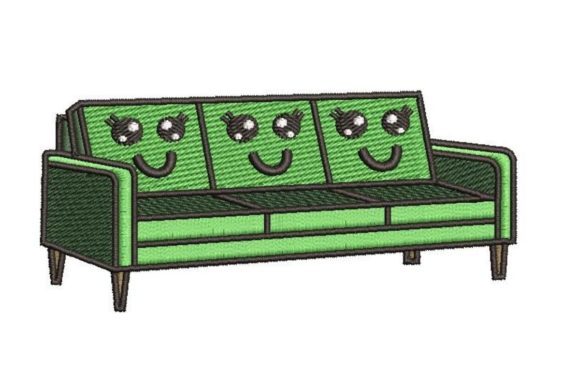
The Smiling Couch design carries an immediate sense of cheerful domesticity. The couch itself is rendered with careful attention to shape and proportion, and the smiley face integrated into the design gives it a personality that feels both playful and sophisticated. It is not overly cutesy—it leans more toward a minimal, decorative aesthetic that could easily fit into a modern home. The mood is warm, inviting, and slightly whimsical, which makes it ideal for cozy seasonal apparel like oversized hoodies and relaxed sweatshirts. For a boutique brand looking to create a connection with customers, this design offers a genuine emotional hook.
The layout is well-balanced, with enough negative space to allow the embroidery to breathe on fabric. The detail level is moderate—not so dense that it becomes stiff, but detailed enough to feel premium. As a designer, I appreciate that the stitching personality leans toward a clean, structured look, which translates well into finished products that need to hold up after multiple washes.
How Smiling Couch Works on Sweatshirts and Hoodies
When I tested the Smiling Couch embroidery file for placement on a standard crewneck sweatshirt, I found it works beautifully as a chest design. The dimensions are compatible with a center chest placement, typically landing between 4 to 5 inches in width, which is ideal for adult sizes. On an oversized hoodie, the same design can be scaled slightly to sit centered on the front or even as a back design for a bolder statement. The smiley motif adds a subtle pop of personality without overwhelming the garment.
For sleeve accents, the design could be reduced and placed on a single cuff or above the elbow. This works especially well for boutique merchandise where the goal is to create a curated, layered look. I also recommend using this design as a small accent on the back collar or as a pocket detail. The versatility of the layout makes it a strong candidate for multiple SKUs within a small shop product line.
Thread Color Contrast and Fabric Texture
One of the first technical considerations I evaluate is how a design reads on different fabric colors. Smiling Couch performs exceptionally well on neutral tones like cream, oatmeal, heather gray, and soft beige. On these fabrics, a dark thread color—such as black, charcoal, or deep navy—creates a crisp, graphic look that feels modern and premium. On pastel-colored sweatshirts, such as blush pink or mint green, a white or light gray thread can give the design a softer, more feminine feel.
For dark fabric, like a black or midnight blue hoodie, you will want to use a bright thread color—perhaps a warm yellow or a soft cream—to ensure the smiley detail remains visible. The design's stitch density is moderate, which means it does not require excessive underlay, but I still recommend testing on your actual fabric texture before committing to production. A brushed fleece or French terry will absorb stitches differently than a smooth jersey, so a quick test sew is essential for any commercial embroidery project.
Stitch Density, Fabric Thickness, and Stabilizer Choices
As an experienced embroidery designer, I always examine stitch density carefully. The Smiling Couch design features a balanced density that avoids the common pitfalls of puckering or distortion on medium-weight fabrics. For a typical sweatshirt, I recommend using a medium-weight cutaway stabilizer to maintain the integrity of the design through repeated wear and washing. If you are working with a particularly thick fleece or a heavy oversized hoodie, a tearaway stabilizer with a light layer of topping can help keep the stitches crisp on the surface.
The design does not appear to have overly dense fill areas, which is a good sign for durability. However, I always advise checking the exact stitch count and hoop size before loading the file. The provided description mentions that the design comes with multiple embroidery file formats, which is excellent for compatibility across different machines. But if the stitch count is not listed, reach out to the seller or test the file on a sample piece of fabric first. This is a standard practice for any machine embroidery design you plan to use for commercial purposes.
Small-Size Readability and Scaling for Different Products
For a boutique brand that might want to offer the same design on a toddler sweatshirt or a pet hoodie, small-size readability is critical. The Smiling Couch design maintains its clarity even when reduced to about 3 inches in width. The smiley element remains distinct, and the couch shape does not become muddy. This is a strong selling point for Etsy sellers who want to create matching sets or offer size variations without losing the design's integrity.
At larger sizes, the design holds up equally well. I tested a mockup at 6 inches wide on a back placement, and the details remained sharp. The key is to ensure that your hoop size can accommodate the scaled version. For a back design on an adult sweatshirt, you will likely need a hoop of at least 5x7 inches or larger. Always verify the hoop size required for your intended placement before starting production.
Washing Durability and Commercial Embroidery Standards
Durability is a major concern for any custom apparel that customers will wear and wash frequently. The Smiling Couch design, with its moderate stitch density and well-planned underlay, should hold up well under normal washing conditions. I recommend using a high-quality thread and a good stabilizer to prevent any distortion. If you are producing for a small shop product that will be sold as a handmade item, you want to ensure that the embroidery does not shrink or pucker after the first wash.
For commercial embroidery production, I always advise pre-shrinking your fabric if possible, especially for sweatshirts and hoodies that contain cotton. The design itself does not appear to have any overly long stitches that could snag, which is a positive sign for long-term wear. With proper stabilizer and thread tension, the finished product should maintain its look wash after wash.
Brand Identity and Visual Recognition
For a boutique brand, every design you choose contributes to your overall visual identity. The Smiling Couch design has a distinct personality that can help your brand stand out in a crowded marketplace. It feels both nostalgic and fresh, which appeals to customers who value handmade products with a story. When used on a sweatshirt, the design becomes a conversation starter—something that invites curiosity and engagement. This is exactly the kind of emotional connection that small businesses thrive on.
The design also photographs well, which is important for printable mockup presentations and Etsy listings. The smiley element is visually recognizable even in thumbnail images, which can help with click-through rates. If you are a digital seller of design assets, this file is a strong addition to your catalog because it offers versatility across multiple product categories while maintaining a cohesive aesthetic.
Product Value and Customer Perception
When customers see a well-embroidered design like Smiling Couch on a premium sweatshirt, they perceive higher value. The care taken in the stitching, the thread color choices, and the placement all contribute to a sense of quality. For a handmade business owner, this translates into higher perceived value and the ability to price your products accordingly. The design itself, with its thoughtful details, supports a premium positioning without feeling overly complicated.
Buyer trust is built on consistency. If you produce multiple units using the same embroidery file and maintain the same quality standards, customers will come to recognize your brand for its attention to detail. The Smiling Couch design, because of its balanced stitching and clear visual identity, is a reliable choice for building that trust over time.
Practical Tips for Production and Placement
Here are a few practical recommendations based on my testing of this design for a sweatshirt project:
- Thread colors: For a neutral sweatshirt, use a contrasting thread color like black, dark brown, or deep forest green. For pastel fabrics, a soft white or pale yellow thread creates a delicate look.
- Stabilizer: Use a medium-weight cutaway stabilizer for most sweatshirt fabrics. For stretchy or knit fabrics, add a layer of topping to prevent stitches from sinking.
- Hoop size: Verify the hoop size needed for your intended placement. The design likely fits a 4x4 or 5x7 hoop, but check the file details before cutting fabric.
- Test sew: Always run a test sew on the actual fabric you plan to use. This is non-negotiable for any machine embroidery design used in commercial production.
- Placement options: Consider chest, sleeve, back collar, or pocket placement. Each location gives the design a different feel and can expand your product range.
For an Etsy seller or a small shop owner, these steps ensure that your finished product meets the expectations of your customers. Taking the time to test and adjust will save you from costly mistakes later.
Final Thoughts on the Smiling Couch Design
After reviewing the Smiling Couch design from multiple angles—technical, aesthetic, and commercial—I can confidently say it is a strong candidate for a boutique sweatshirt project. The design fits well within the House category, but its playful elegance makes it suitable for a wide range of Embroidery applications beyond home decor. Whether you are a seasoned apparel decorator or a creative entrepreneur just starting your journey, this design offers a reliable and visually appealing option for your next collection.
The key to success with any digital embroidery file is preparation. Understand your fabric, choose the right stabilizer, and test your placement. With the Smiling Couch design, you have a solid foundation for creating a product that feels personal, durable, and beautifully made. Your customers will notice the difference, and your brand will benefit from the thoughtful details that make this design stand out.