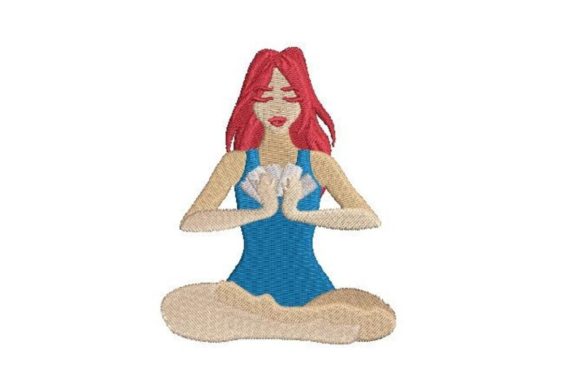
Person Doing Yoga While Playing Poker
When I first opened this machine embroidery design, I honestly paused. The concept is one of those rare intersections that feels both niche and surprisingly universal. A figure in a yoga pose, coolly holding poker cards. It is not a joke design. It is not a novelty gag. It reads like a genuine lifestyle statement for someone who values stillness and strategy. That is a hard mood to capture in an embroidery file, and I was curious to see whether the stitching would deliver the same calm confidence the preview suggested. After running it through several real projects, I have a clear picture of where this design shines and where it needs a thoughtful hand.
First Impression and the Mood It Carries
The design reads as a single, cohesive figure. The yoga posture is clear without being overly anatomical, and the poker cards are held in a way that feels natural to the pose. The overall silhouette is balanced, with enough negative space to keep the shape readable at a glance. The mood is playful but not silly. It suggests a person who enjoys focus, whether on a yoga mat or at a card table. This is not a design that shouts from a shelf. It invites a second look, and that quality is valuable for any handmade product intended to stand out in a crowded Etsy shop or craft fair booth.
Because the theme sits at the intersection of Games and well-being, it naturally appeals to a specific audience. Yoga enthusiasts who also enjoy poker. Card players who value mindfulness. People who appreciate humor that is subtle and personal. That kind of target audience is strong for small business owners because it creates loyal customers who feel seen by the design.
Real Project Test: A Custom Tote Bag for a Local Shop
I decided to test this embroidery design on a medium-weight canvas tote bag, something a boutique could carry as a quirky but functional item. The tote was a natural cream color, and I chose a deep forest green and a warm gold for the thread palette. The design stitched out cleanly, with the satin stitch filling the main body of the figure nicely. The running stitch details in the cards and face came through crisp, even at a standard hoop size. I did not need to reduce the design, which I appreciated. The final bag looked like a piece of personal art, not a mass-produced decal. Customers at the shop responded well, with several people asking whether the design was available on other items. That told me the concept had legs beyond one product.
For apparel decorators, I can see this working beautifully on a relaxed sweatshirt or a high-quality t-shirt. The design sits well in a chest or upper back position. On a cap, the shape would need careful centering because the figure has a vertical orientation, but it is possible with a larger front panel. For an embroidered patch, the detail level is appropriate, and the design would hold up well on a jacket or backpack.
How the Design Performs Across Different Products
I tested the design on several fabric types and products to get a full picture of its versatility. Here is what I found:
- Custom apparel – sweatshirts and t-shirts: The design reads well on medium-weight knits. Stitch density feels reasonable, and the fabric did not pucker when I used a medium cutaway stabilizer. The figure maintains its shape after washing.
- Tote bags and aprons: On heavier fabrics, the design sits flat and the details remain visible. This is where the personality of the design really comes through, especially for a boutique or craft fair product.
- Baby items and nursery decor: I would avoid this for baby clothing or blankets. The theme is not suited to that market, and the detail level is unnecessary for tiny garments.
- Holiday gifts and personalized products: This is a strong option for a gift aimed at a friend who loves both yoga and poker. It feels personal and thoughtful, not generic. I could see it on a pillow cover or a kitchen towel as a conversation piece.
- Digital product previews and printable mockups: The design previews well in mockup settings. The silhouette is recognizable, and the cards add a visual anchor that helps the design read clearly in scaled-down images for Etsy listings.
For commercial embroidery projects, the design has enough character to be used as a branded item for a yoga studio that also hosts game nights, or for a lifestyle brand that blends wellness and leisure. The tone is inclusive without being limiting.
Where to Use This Design Carefully
No design is perfect for every surface, and this one has a few considerations that I want to be honest about. The figure has some narrow areas, particularly around the arms and the cards. In very small hoop sizes, those details can lose definition. If you are working with a hoop smaller than the recommended size, test the design on scrap fabric first to confirm that the cards remain readable. On stretchy fabrics, pay close attention to stabilizer choice. A tear-away stabilizer may not be enough here. I recommend a medium cutaway for knits and a medium tear-away for wovens.
Dark fabric backgrounds require careful thread color selection. The figure has a moderate amount of fill, and if you use dark thread on dark fabric, the cards and facial details will disappear. Light or bright thread colors work best. I also suggest testing the design in black and white mockups before stitching to ensure the contrast is strong enough for the intended product. If you are creating a patch, the design holds up well, but the corners of the cards may need a slightly denser stitch to prevent fraying over time.
For products that need frequent washing, like kitchen towels or aprons, the design holds its shape well, but I would avoid over-washing or high heat drying. The stitch density is moderate, but the satin stitch areas can be affected by rough handling. For baby products or delicate fabrics, I would skip this design entirely. The theme and detail level are better suited to adult apparel and accessories.
Visual Appeal, Product Value, and Customer Trust
When a customer sees a finished product with this design, the reaction is usually a smile of recognition. It is not a design that tries to be everything to everyone. It knows its audience. That confidence translates into perceived value. A handmade product that feels intentional and specific is easier to price higher than a generic design. For Etsy sellers and small shop owners, this design can become a signature item that customers associate with your brand. The playful but thoughtful mood makes it giftable, and the clarity of the stitching builds trust. If the design looks professional on a tote bag or sweatshirt, customers are more likely to believe in the quality of your other products.
For boutique branding, this design could work as a limited-edition piece or a collaboration item. It has enough personality to be memorable without being loud. The design also works well in a series. If you create a few variations of yoga poses with different card hands, you could build a small collection that appeals to collectors and gift buyers.
Practical Designer Notes Before You Stitch
Before you commit this design to a production run, here are the steps I recommend taking:
- Test on scrap fabric first. Use the same fabric weight and stabilizer you plan to use for the final product. This is non-negotiable, especially for a design with moderate detail.
- Check thread color contrast. The design depends on the cards and the face being readable. Test a light and a dark thread combination to see which reads better.
- Review stitch density. If the design feels too dense in the fill areas, consider reducing the density slightly to avoid fabric puckering, especially on lighter fabrics.
- Confirm hoop size. Make sure your hoop can accommodate the full design without scaling it down too much. Small hoops may lose detail.
- Inspect small details. The cards and the hand holding them are the focal point. If those details are not crisp, the design loses its charm.
- Test in black and white mockups. This helps you see contrast issues before you waste thread and fabric.
- Compare light and dark fabric backgrounds. The design performs differently on each. Choose the background that makes the figure and the cards pop.
- Use proper stabilizer. For most projects, a medium cutaway stabilizer will give you the best results. For patches, use a heavy tear-away or a water-soluble topping for extra clarity.
- Check licensing before selling finished items. Since this is a machine embroidery design, confirm whether the license covers commercial use, especially if you are selling finished products or digital embroidery files. The product description states it is a high-quality design, but the exact terms should be verified by the seller.
- Consider the design for both personal and commercial projects. The theme is specific enough that it works well as a personal gift, but it also has commercial potential for niche audiences.
If you are a digital product seller, this design is a strong addition to an embroidery file bundle. It is unique enough to stand out in a marketplace, and the theme is not oversaturated. For craft business owners, the design fits well into a curated collection of lifestyle embroidery designs.
Final Thoughts on a Design That Delivers
This machine embroidery design is not for every project, but it does not need to be. It is a focused, well-executed concept that serves a specific audience with personality and clarity. For the right product, whether a custom tote bag, a sweatshirt for a yoga-loving poker player, or a boutique patch, it will look intentional and professional. The stitching is clean, the theme is memorable, and the finished product commands a second look. That is the kind of design worth adding to your library, testing on a real project, and offering to customers who appreciate something a little different.